
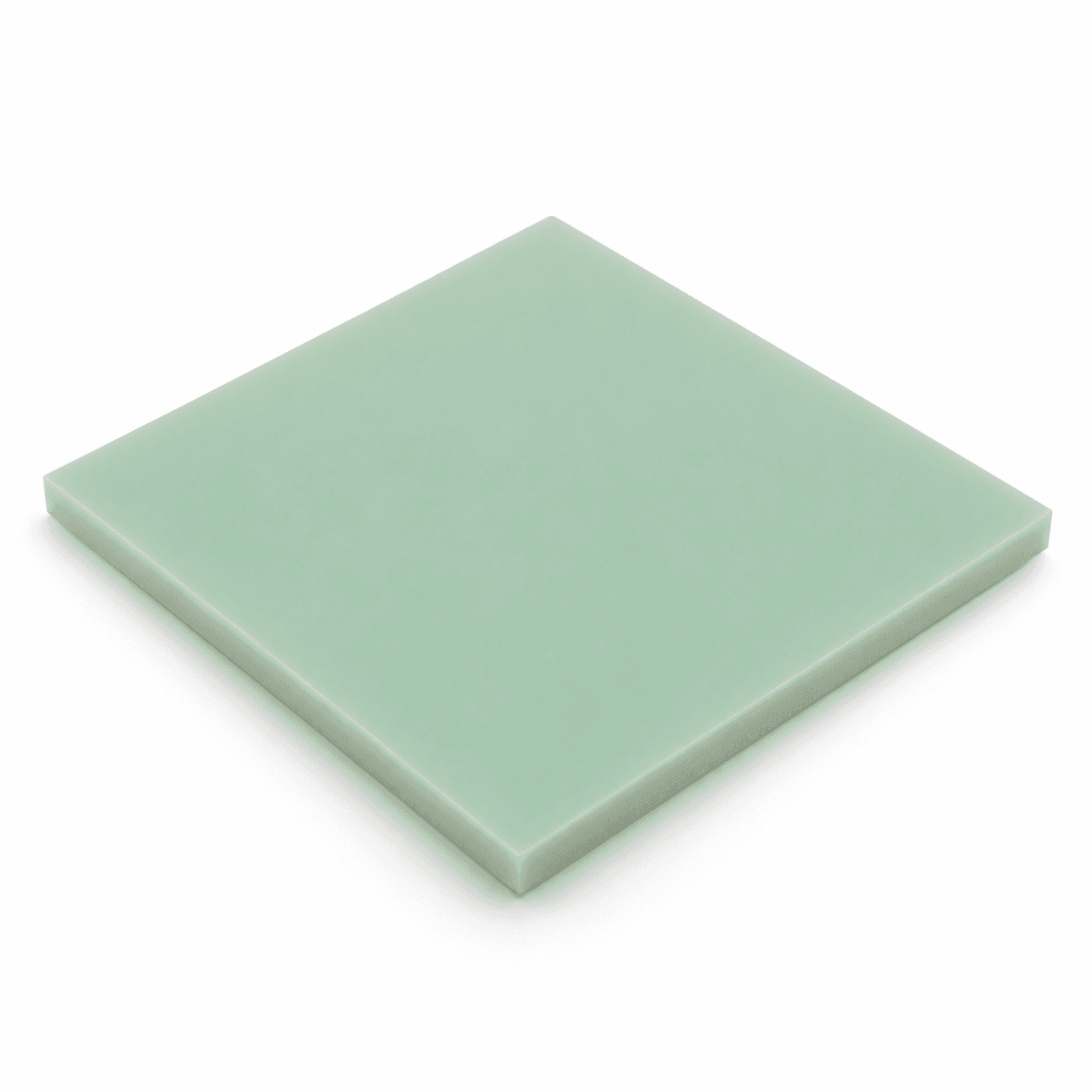
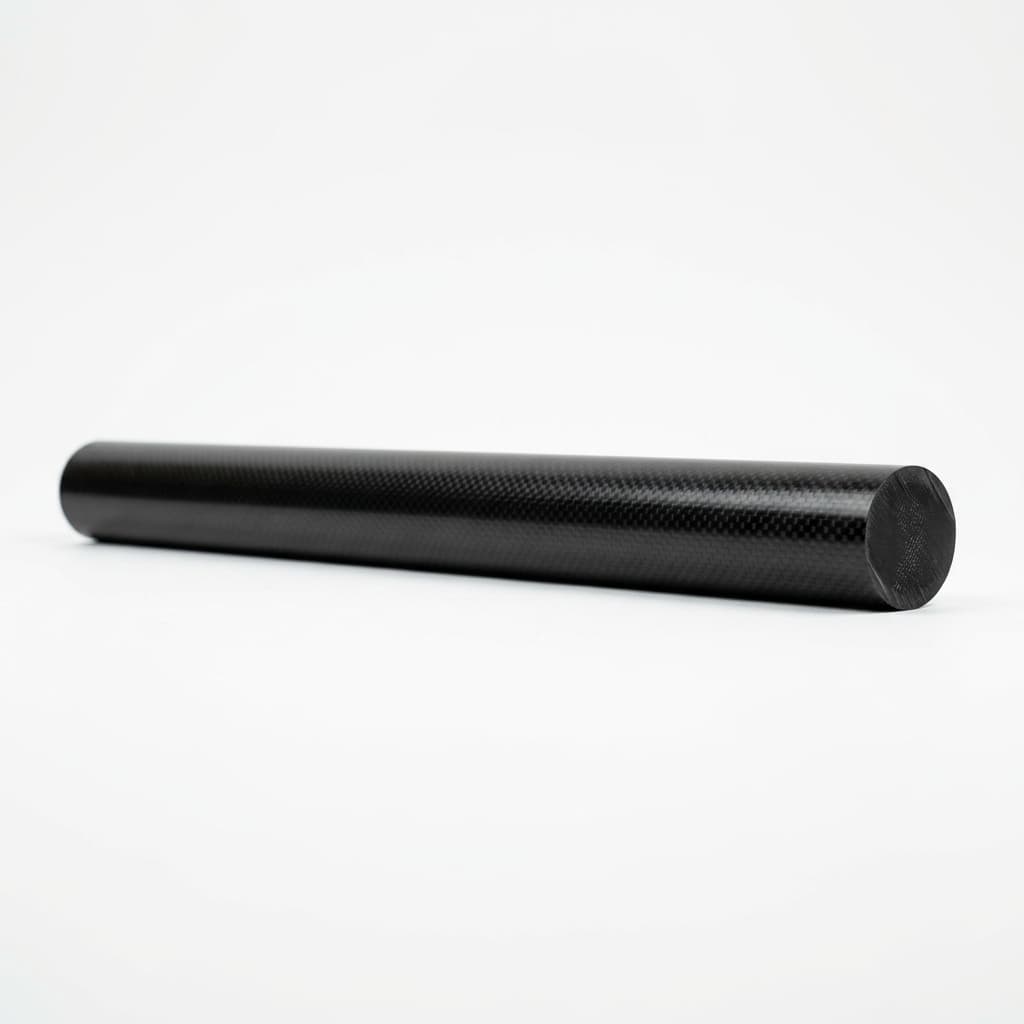
Shop Glass Epoxy by shape
Select a form factor to view real-time inventory, pricing, and custom cut-to-size options.
Filters
Material / Grade
Color
Shape
Availability
Thickness (sheet) / Diameter (rod)
Rods
38 sizes · 100 SKUs| Short Description | Color | Diameter | Length | Stock | Price | Action |
|---|---|---|---|---|---|---|
| FR4 - 0.03" dia x 48" Natural Rod | Nat. | 0.030″ | 48″ | 0Out of stock | $35.56 | |
| FR4 - 0.047" dia x 48" Natural Rod | Nat. | 0.047″ | 48″ | 0Out of stock | $30.46 | |
| FR4 - 0.049" dia x 48" Natural Rod | Nat. | 0.049″ | 48″ | 0Out of stock | $8.98 | |
| FR4 - 0.062" dia x 48" Natural Rod | Nat. | 0.062″ | 48″ | 0Out of stock | $8.16 | |
| G10 - 0.062" dia x 48" Natural Rod | Nat. | 0.062″ | 48″ | 0Out of stock | $21.83 | |
| G11 - 0.062" dia x 48" Natural Rod | Nat. | 0.062″ | 48″ | 57In stock | $4.90 | |
| FR4 - 0.093" dia x 48" Black Rod | Blk. | 0.093″ | 48″ | 526In stock | $12.78 | |
| FR4 - 0.093" dia x 48" Natural Rod | Nat. | 0.093″ | 48″ | 0Out of stock | $8.36 | |
| G10 - 0.093" dia x 48" Natural Rod | Nat. | 0.093″ | 48″ | 225In stock | $16.93 | |
| G11 - 0.093" dia x 48" Natural Rod | Nat. | 0.093″ | 48″ | 0Out of stock | $13.40 |
Material Overview
What is Glass Epoxy?
Glass epoxy is a family of woven-glass-fabric/epoxy-resin thermoset laminates that are among the most widely used electrical insulation materials in industrial and electronic applications. Each grade is defined by NEMA LI-1 and is manufactured by impregnating woven fiberglass cloth with epoxy resin, then curing under heat and pressure into rigid sheet, rod, and tube stock. Ready Plastics stocks the full glass epoxy family — including G-10, FR-4, G-11, and FR-5 — covering a broad range of temperature and flame-performance requirements.
Across grades, glass epoxy laminates are valued for their high strength-to-weight ratio, excellent dimensional stability, low moisture absorption, and strong dielectric performance. Flame-retardant variants (FR-4, FR-5) add UL 94-rated fire safety for applications with regulatory requirements. High-temperature variants (G-11, FR-5) extend continuous service to 180°C (355°F). The fiberglass laminate construction gives all grades good machinability on conventional shop equipment — a key advantage for cut-to-size electrical insulation and precision-machined structural components.
Selecting a grade. G-10 is the standard non-flame-retardant baseline: high compressive strength, 0.11% water absorption, continuous service to 140°C. FR-4 matches G-10's mechanical profile with the addition of a UL 94 V-0 flame rating — making it the default for most electrical insulation applications governed by fire codes. G-11 and FR-5 share nearly identical high-temperature performance at 180°C; the choice between them comes down to whether a flame-retardant designation is required. All are available as industrial laminate sheet and rod stock.
Related families. For applications requiring arc and track resistance, see glass melamine (G-5/G-9). For extreme-temperature service above 180°C, glass silicone Grade G-7 operates continuously to 220°C. Ready Plastics is part of the broader thermoset laminates and phenolics family, which includes cotton phenolic, glass phenolic, paper phenolic, and more.
Frequently Asked Questions
Glass Epoxy, answered
What is glass epoxy?
Glass epoxy is a family of thermoset laminate materials made from woven fiberglass cloth bonded with epoxy resin and cured under heat and pressure. The family includes NEMA grades G-10, FR-4, G-11, and FR-5. Glass epoxy is used for electrical insulation, printed circuit boards, structural components, and precision-machined parts requiring high mechanical strength and reliable dielectric performance.
What are the main grades of glass epoxy?
The four primary NEMA glass epoxy grades are: G-10 (standard, non-FR, up to 140°C), FR-4 (flame-retardant V-0 version of G-10), G-11 (high-temperature, non-FR, up to 180°C), and FR-5 (high-temperature, flame-retardant, up to 180°C). Ready Plastics stocks all four grades in sheet and rod forms.
What is the difference between glass epoxy and glass phenolic?
Glass epoxy uses an epoxy resin binder, while glass phenolic uses phenolic resin. Glass epoxy grades generally provide lower moisture absorption, higher dielectric strength, and better performance in humid environments. Glass phenolic offers good rigidity and cost efficiency. The choice depends on moisture exposure, electrical requirements, and budget.
What thicknesses and shapes does Ready Plastics stock in glass epoxy?
Ready Plastics stocks glass epoxy grades in flat sheet and round rod. Specific dimensions vary by grade (G-10, FR-4, G-11, FR-5). Contact Ready Plastics or visit individual grade pages for current stock dimensions and cut-to-size availability.
Can glass epoxy laminates be machined?
Yes. All glass epoxy grades machine well on conventional shop equipment — they can be drilled, milled, sawed, and turned. Carbide tooling is recommended due to the abrasive fiberglass reinforcement. Dust extraction is important during machining operations.
Ready to spec material for your build?
Get a quote on cut-to-size sheets and rods, request a full data sheet, or talk to a plastics engineer. We answer in under two hours, M–F 8am–6pm ET.
All stocked Glass Epoxy sizes & prices
- G10 - 0.047" 48 x 96 Natural Sheet — $178.87
- G10 - 0.050" 36 x 48 Natural Sheet — $71.42
- G10 - 0.050" 48 x 96 Natural Sheet — $190.28
- G10 - 0.055" 36 x 48 Natural Sheet — $78.56
- G10 - 0.062" 36 x 48 Natural Sheet — $81.06
- G10 - 0.062" 48 x 96 Natural Sheet — $215.95
- G10 - 0.062" dia x 48" Natural Rod — $21.83
- G10 - 0.070" 48 x 96 Natural Sheet — $243.81
- G10 - 0.078" 36 x 48 Natural Sheet — $101.98
- G10 - 0.078" 48 x 96 Natural Sheet — $271.69
- G10 - 0.093" 36 x 48 Natural Sheet — $121.58
- G10 - 0.093" 48 x 96 Natural Sheet — $323.94
- G10 - 0.093" dia x 48" Natural Rod — $16.93
- G10 - 0.125" 36 x 48 Natural Sheet — $154.67
- G10 - 0.125" 48 x 96 Natural Sheet — $412.03
- G10 - 0.125" dia x 48" Natural Rod — $17.54
- G10 - 0.140" 36 x 48 Natural Sheet — $173.23
- G10 - 0.156" 36 x 48 Natural Sheet — $193.03
- G10 - 0.187" 36 x 48 Natural Sheet — $231.39
- G10 - 0.187" 48 x 96 Natural Sheet — $616.39
- G10 - 0.187" dia x 48" Natural Rod — $18.90
- G10 - 0.218" 36 x 48 Natural Sheet — $269.74
- G10 - 0.25" dia x 48" Natural Rod — $22.44
- G10 - 0.250" 36 x 48 Natural Sheet — $309.35
- G10 - 0.250" 48 x 96 Natural Sheet — $824.06
- G10 - 0.312" 36 x 48 Natural Sheet — $386.09
- G10 - 0.312" 48 x 96 Natural Sheet — $1028.43
- G10 - 0.312" dia x 48" Natural Rod — $24.96
- G10 - 0.375" 36 x 48 Natural Sheet — $464.03
- G10 - 0.375" 48 x 96 Natural Sheet — $1236.09
- G10 - 0.375" dia x 48" Natural Rod — $32.50
- G10 - 0.437" 36 x 48 Natural Sheet — $540.75
- G10 - 0.437" 48 x 96 Natural Sheet — $1440.48
- G10 - 0.5" dia x 48" Natural Rod — $51.95
- G10 - 0.500" 36 x 48 Natural Sheet — $618.70
- G10 - 0.500" 48 x 96 Natural Sheet — $1648.12
- G10 - 0.562" 48 x 96 Natural Sheet — $1852.51
- G10 - 0.562" dia x 48" Natural Rod — $56.64
- G10 - 0.625" 36 x 48 Natural Sheet — $773.40
- G10 - 0.625" 48 x 96 Natural Sheet — $2060.18
- G10 - 0.625" dia x 48" Natural Rod — $74.66
- G10 - 0.75" dia x 48" Natural Rod — $96.97
- G10 - 0.750" 36 x 48 Natural Sheet — $928.08
- G10 - 0.750" 48 x 96 Natural Sheet — $2472.21
- G10 - 0.875" 36 x 48 Natural Sheet — $1082.76
- G10 - 0.875" 48 x 96 Natural Sheet — $2884.24
- G10 - 0.875" dia x 48" Natural Rod — $107.58
- G10 - 1.000" 36 x 48 Natural Sheet — $1237.43
- G10 - 1.000" 48 x 96 Natural Sheet — $3296.27
- G10 - 1.125" 36 x 48 Natural Sheet — $1392.13
- G10 - 1.125" dia x 48" Natural Rod — $184.35
- G10 - 1.25" dia x 48" Natural Rod — $215.90
- G10 - 1.250" 36 x 48 Natural Sheet — $1546.81
- G10 - 1.250" 48 x 96 Natural Sheet — $4120.36
- G10 - 1.350" 36 x 48 Natural Sheet — $1670.56
- G10 - 1.375" 36 x 48 Natural Sheet — $1701.50
- G10 - 1.375" 48 x 96 Natural Sheet — $4532.39
- G10 - 1.5" dia x 48" Natural Rod — $313.28
- G10 - 1.500" 36 x 48 Natural Sheet — $1856.18
- G10 - 1.500" 48 x 96 Natural Sheet — $4944.43
- G10 - 1.625" 36 x 48 Natural Sheet — $2010.88
- G10 - 1.625" 48 x 96 Natural Sheet — $5356.48
- G10 - 1.75" dia x 48" Natural Rod — $445.54
- G10 - 1.750" 36 x 48 Natural Sheet — $2165.54
- G10 - 1.750" 48 x 96 Natural Sheet — $5768.51
- G10 - 1" dia x 48" Natural Rod — $146.61
- G10 - 2.000" 36 x 48 Natural Sheet — $2901.15
- G10 - 2.000" 48 x 96 Natural Sheet — $7727.98
- G10 - 2.100" 36 x 48 Natural Sheet — $3046.21
- G10 - 2.250" 36 x 48 Natural Sheet — $3263.81
- G10 - 2.250" 48 x 96 Natural Sheet — $8694.00
- G10 - 2.500" 36 x 48 Natural Sheet — $3626.44
- G10 - 2.500" 48 x 96 Natural Sheet — $9660.00
- G10 - 2.625" 36 x 48 Natural Sheet — $3807.78
- G10 - 2.625" 48 x 96 Natural Sheet — $10142.98
- G10 - 2.75" dia x 48" Natural Rod — $869.18
- G10 - 2.750" 36 x 48 Natural Sheet — $3989.08
- G10 - 2.750" 48 x 96 Natural Sheet — $10625.99
- G10 - 2" dia x 48" Natural Rod — $542.98
- G10 - 3.000" 36 x 48 Natural Sheet — $4787.68
- G10 - 3.000" 48 x 96 Natural Sheet — $12753.20
- G10 - 3.125" 36 x 48 Natural Sheet — $4987.14
- G10 - 3.125" 48 x 96 Natural Sheet — $13284.58
- G10 - 3.250" 36 x 48 Natural Sheet — $5186.65
- G10 - 3.250" 48 x 96 Natural Sheet — $13815.97
- G10 - 3.500" 48 x 96 Natural Sheet — $14878.72
- G10 - 3" dia x 48" Natural Rod — $1097.93
- G10 - 4.000" 36 x 48 Natural Sheet — $6189.80
- G10 - 4.000" 48 x 96 Natural Sheet — $16488.18
- G10 - 4.250" 36 x 48 Natural Sheet — $6576.69
- G10 - 4.500" 48 x 96 Natural Sheet — $18549.21
- G10 - 5.000" 36 x 48 Natural Sheet — $7737.26
- G11 - 0.005" 36 x 48 Natural Sheet — $21.54
- G11 - 0.010" 36 x 48 Natural Sheet — $23.53
- G11 - 0.010" 48 x 48 Natural Sheet — $31.42
- G11 - 0.010" 48 x 96 Natural Sheet — $62.76
- G11 - 0.012" 48 x 48 Natural Sheet — $34.88
- G11 - 0.012" 48 x 96 Natural Sheet — $69.70
- G11 - 0.015" 36 x 48 Natural Sheet — $28.54
- G11 - 0.015" 48 x 48 Natural Sheet — $38.10
- G11 - 0.015" 48 x 96 Natural Sheet — $76.08
- G11 - 0.018" 36 x 48 Natural Sheet — $31.94
- G11 - 0.018" 48 x 48 Natural Sheet — $42.67
- G11 - 0.018" 48 x 96 Natural Sheet — $85.20
- G11 - 0.020" 36 x 48 Natural Sheet — $35.51
- G11 - 0.020" 48 x 48 Natural Sheet — $47.40
- G11 - 0.020" 48 x 96 Natural Sheet — $94.67
- G11 - 0.025" 36 x 48 Natural Sheet — $41.70
- G11 - 0.025" 48 x 48 Natural Sheet — $55.66
- G11 - 0.025" 48 x 96 Natural Sheet — $111.16
- G11 - 0.031" 36 x 48 Natural Sheet — $51.71
- G11 - 0.031" 48 x 48 Natural Sheet — $69.00
- G11 - 0.031" 48 x 96 Natural Sheet — $137.84
- G11 - 0.035" 36 x 48 Natural Sheet — $58.38
- G11 - 0.040" 36 x 48 Natural Sheet — $66.71
- G11 - 0.040" 48 x 48 Natural Sheet — $89.06
- G11 - 0.040" 48 x 96 Natural Sheet — $177.85
- G11 - 0.045" 36 x 48 Natural Sheet — $75.07
- G11 - 0.047" 36 x 48 Natural Sheet — $78.40
- G11 - 0.047" 48 x 48 Natural Sheet — $104.65
- G11 - 0.047" 48 x 96 Natural Sheet — $208.96
- G11 - 0.050" 36 x 48 Natural Sheet — $83.40
- G11 - 0.050" 48 x 48 Natural Sheet — $111.33
- G11 - 0.050" 48 x 96 Natural Sheet — $171.02
- G11 - 0.055" 36 x 48 Natural Sheet — $91.75
- G11 - 0.062" 36 x 48 Natural Sheet — $99.55
- G11 - 0.062" 48 x 48 Natural Sheet — $132.87
- G11 - 0.062" 48 x 96 Natural Sheet — $265.35
- G11 - 0.062" dia x 48" Natural Rod — $4.90
- G11 - 0.070" 36 x 48 Natural Sheet — $112.39
- G11 - 0.070" 48 x 48 Natural Sheet — $150.03
- G11 - 0.070" 48 x 96 Natural Sheet — $299.61
- G11 - 0.078" 36 x 48 Natural Sheet — $125.26
- G11 - 0.078" 48 x 48 Natural Sheet — $167.18
- G11 - 0.078" 48 x 96 Natural Sheet — $333.83
- G11 - 0.093" 36 x 48 Natural Sheet — $149.34
- G11 - 0.093" 48 x 48 Natural Sheet — $199.34
- G11 - 0.093" 48 x 96 Natural Sheet — $398.04
- G11 - 0.093" dia x 48" Natural Rod — $13.40
- G11 - 0.125" 36 x 48 Natural Sheet — $196.21
- G11 - 0.125" 48 x 48 Natural Sheet — $261.92
- G11 - 0.125" 48 x 96 Natural Sheet — $523.00
- G11 - 0.125" dia x 48" Natural Rod — $13.33
- G11 - 0.135" 48 x 48 Natural Sheet — $169.06
- G11 - 0.135" 48 x 96 Natural Sheet — $439.59
- G11 - 0.140" 36 x 48 Natural Sheet — $219.78
- G11 - 0.156" 36 x 48 Natural Sheet — $244.90
- G11 - 0.156" 48 x 48 Natural Sheet — $251.46
- G11 - 0.156" 48 x 96 Natural Sheet — $652.71
- G11 - 0.156" dia x 48" Natural Rod — $13.40
- G11 - 0.177" 36 x 48 Natural Sheet — $277.85
- G11 - 0.187" 36 x 48 Natural Sheet — $293.57
- G11 - 0.187" 48 x 48 Natural Sheet — $301.43
- G11 - 0.187" 48 x 96 Natural Sheet — $782.44
- G11 - 0.187" dia x 48" Natural Rod — $13.67
- G11 - 0.218" 36 x 48 Natural Sheet — $342.23
- G11 - 0.218" 48 x 48 Natural Sheet — $351.41
- G11 - 0.218" 48 x 96 Natural Sheet — $912.15
- G11 - 0.25" dia x 48" Natural Rod — $14.76
- G11 - 0.250" 36 x 48 Natural Sheet — $392.46
- G11 - 0.250" 48 x 48 Natural Sheet — $402.99
- G11 - 0.250" 48 x 96 Natural Sheet — $1046.03
- G11 - 0.281" 36 x 48 Natural Sheet — $441.13
- G11 - 0.281" 48 x 48 Natural Sheet — $452.96
- G11 - 0.281" 48 x 96 Natural Sheet — $1175.75
- G11 - 0.312" 36 x 48 Natural Sheet — $489.82
- G11 - 0.312" 48 x 48 Natural Sheet — $502.93
- G11 - 0.312" 48 x 96 Natural Sheet — $1305.46
- G11 - 0.312" dia x 48" Natural Rod — $16.39
- G11 - 0.343" 36 x 48 Natural Sheet — $610.45
- G11 - 0.343" 48 x 48 Natural Sheet — $429.59
- G11 - 0.343" 48 x 96 Natural Sheet — $1411.90
- G11 - 0.375" 36 x 48 Natural Sheet — $588.71
- G11 - 0.375" 48 x 48 Natural Sheet — $604.49
- G11 - 0.375" 48 x 96 Natural Sheet — $1569.07
- G11 - 0.375" dia x 48" Natural Rod — $31.08
- G11 - 0.406" 36 x 48 Natural Sheet — $637.38
- G11 - 0.406" 48 x 48 Natural Sheet — $654.45
- G11 - 0.406" 48 x 96 Natural Sheet — $1698.78
- G11 - 0.437" 36 x 48 Natural Sheet — $686.03
- G11 - 0.437" 48 x 48 Natural Sheet — $704.43
- G11 - 0.437" 48 x 96 Natural Sheet — $1828.50
- G11 - 0.437" dia x 48" Natural Rod — $42.84
- G11 - 0.468" 36 x 48 Natural Sheet — $734.72
- G11 - 0.468" 48 x 48 Natural Sheet — $754.39
- G11 - 0.468" 48 x 96 Natural Sheet — $1958.21
- G11 - 0.5" dia x 48" Natural Rod — $25.70
- G11 - 0.500" 36 x 48 Natural Sheet — $784.96
- G11 - 0.500" 48 x 48 Natural Sheet — $805.99
- G11 - 0.500" 48 x 96 Natural Sheet — $2092.09
- G11 - 0.550" 36 x 48 Natural Sheet — $863.46
- G11 - 0.550" 48 x 48 Natural Sheet — $886.58
- G11 - 0.550" 48 x 96 Natural Sheet — $2301.31
- G11 - 0.562" 36 x 48 Natural Sheet — $882.28
- G11 - 0.562" 48 x 48 Natural Sheet — $905.93
- G11 - 0.562" 48 x 96 Natural Sheet — $2351.53
- G11 - 0.562" dia x 48" Natural Rod — $30.19
- G11 - 0.612" 36 x 48 Natural Sheet — $960.79
- G11 - 0.612" 48 x 48 Natural Sheet — $986.53
- G11 - 0.612" 48 x 96 Natural Sheet — $2560.74