
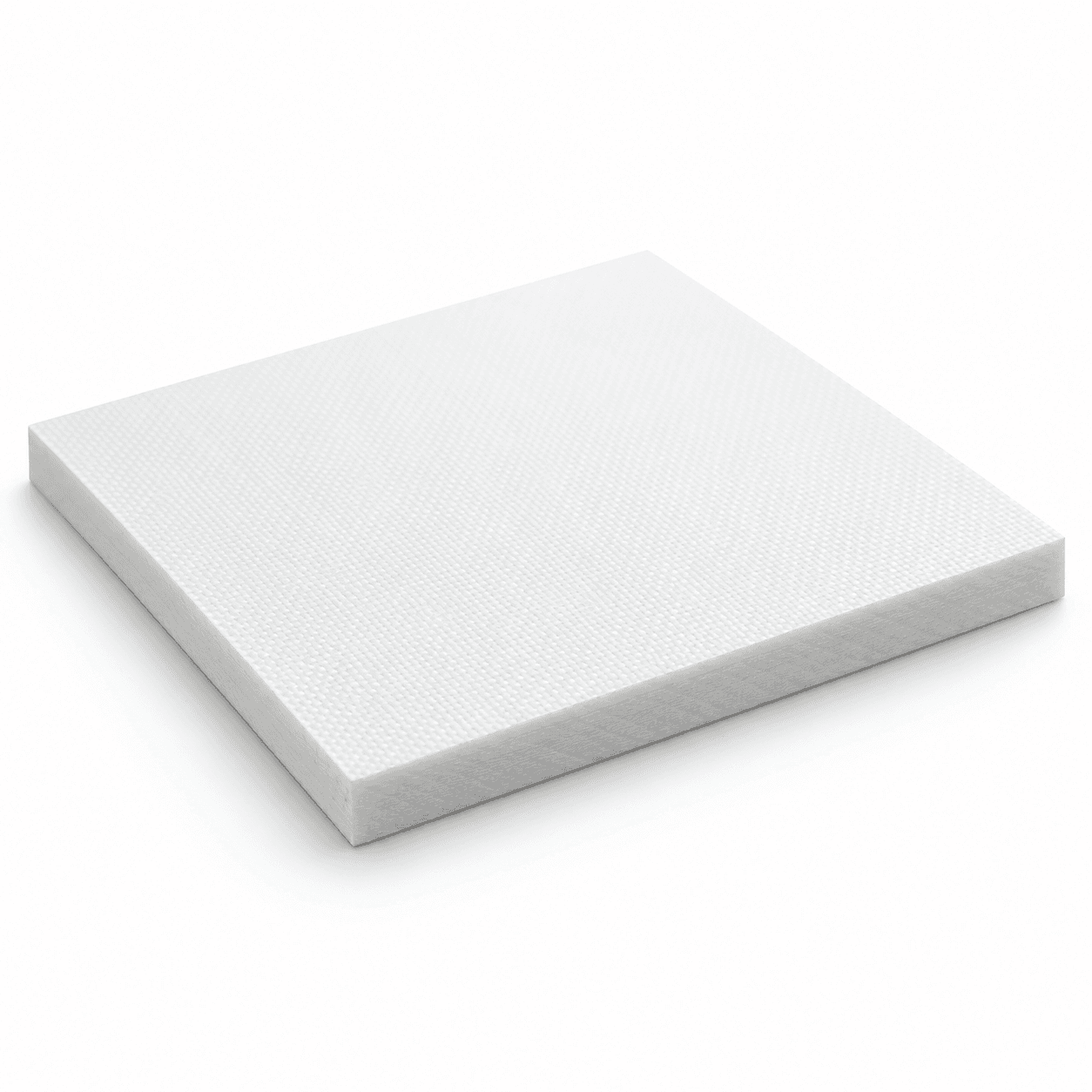
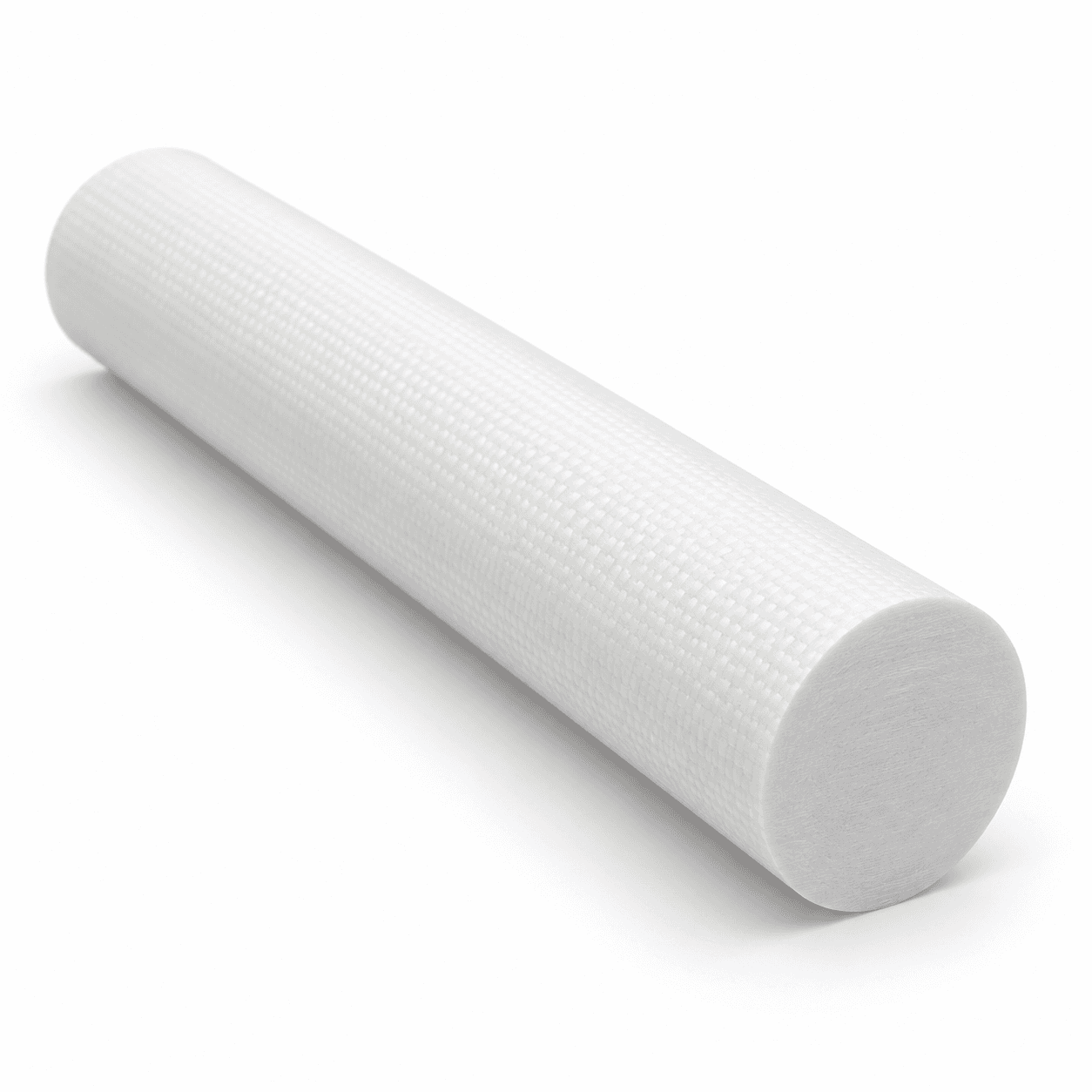
Shop Glass Silicone by shape
Select a form factor to view real-time inventory, pricing, and custom cut-to-size options.
Filters
Color
Shape
Availability
Thickness (sheet) / Diameter (rod)
Rods
18 sizes · 18 SKUs| Short Description | Color | Diameter | Length | Stock | Price | Action |
|---|---|---|---|---|---|---|
| G7 - 0.062" dia x 48" Natural Rod | Nat. | 0.062″ | 48″ | 130In stock | $0.39 | |
| G7 - 0.125" dia x 48" Natural Rod | Nat. | 0.125″ | 48″ | 470In stock | $36.11 | |
| G7 - 0.156" dia x 48" Natural Rod | Nat. | 0.156″ | 48″ | 8In stock | $45.83 | |
| G7 - 0.187" dia x 48" Natural Rod | Nat. | 0.187″ | 48″ | 244In stock | $47.80 | |
| G7 - 0.25" dia x 48" Natural Rod | Nat. | 0.250″ | 48″ | 0Out of stock | $64.33 | |
| G7 - 0.312" dia x 48" Natural Rod | Nat. | 0.312″ | 48″ | 0Out of stock | $85.88 | |
| G7 - 0.375" dia x 48" Natural Rod | Nat. | 0.375″ | 48″ | 0Out of stock | $100.10 | |
| G7 - 0.437" dia x 48" Natural Rod | Nat. | 0.437″ | 48″ | 0Out of stock | $122.20 | |
| G7 - 0.5" dia x 48" Natural Rod | Nat. | 0.500″ | 48″ | 0Out of stock | $153.82 | |
| G7 - 0.562" dia x 48" Natural Rod | Nat. | 0.562″ | 48″ | 0Out of stock | $189.65 |
Material Overview
What is Glass Silicone?
Glass silicone is a family of woven-glass-fabric/silicone-resin thermoset laminates defined by NEMA LI-1. These composites are manufactured by impregnating woven glass cloth with silicone resin and curing under heat and pressure into rigid stock. The silicone resin binder provides thermal stability that fundamentally outperforms epoxy, phenolic, and melamine alternatives at elevated temperatures — making glass silicone the material of choice when electrical insulation must remain dimensionally stable, electrically reliable, and structurally sound under sustained extreme heat. Ready Plastics stocks glass silicone Grade G-7, the NEMA standard designation for this family.
Glass silicone offers excellent dielectric strength, strong arc resistance, low moisture absorption, and a maximum continuous service temperature of 220°C (428°F) — the highest thermal rating of any glass-reinforced thermoset laminate in the Ready Plastics lineup. It carries a UL 94 V-0 flame classification. These properties make glass silicone an indispensable material for transformer insulation barriers, high-temperature motor and generator components, furnace fixtures, and high-energy electrical switchgear where other laminates would degrade. The glass silicone grade also handles thermal cycling reliably, reducing the risk of cracking or delamination under repeated heat-and-cool stress.
Standards and performance context. Glass silicone Grade G-7 meets NEMA LI-1 Grade G-7 and is tested per ASTM D709. While mechanical strength is lower than glass epoxy grades, the exceptional thermal and arc resistance of silicone resin more than compensates in high-temperature applications. For applications below 180°C requiring higher mechanical strength, glass epoxy grades G-11 or FR-5 are more appropriate. For arc-resistant insulation below 120°C, glass melamine G-9 is a cost-effective alternative.
Related families. Ready Plastics carries the complete thermoset laminate family, including glass epoxy (G-10, FR-4, G-11, FR-5), glass melamine (G-9), and glass phenolic (G-3), all within the broader thermoset laminates and phenolics lineup.
Frequently Asked Questions
Glass Silicone, answered
What is glass silicone?
Glass silicone is a thermoset laminate family made from woven glass cloth bonded with silicone resin. NEMA Grade G-7 is the standard designation. Glass silicone operates continuously at up to 220°C (428°F), carries a UL 94 V-0 flame rating, and offers excellent arc resistance — making it the top-tier choice for extreme-temperature electrical insulation in transformers, motors, and industrial equipment.
What is the difference between glass silicone and glass epoxy?
Glass silicone uses a silicone resin binder that withstands up to 220°C; glass epoxy grades top out at 140°C (G-10, FR-4) or 180°C (G-11, FR-5). Glass epoxy provides significantly higher mechanical strength (tensile, flexural, compressive) at those lower temperatures. Choose glass silicone when temperature exceeds what epoxy grades can sustain; choose glass epoxy when mechanical strength and moisture resistance are primary requirements.
What grades does Ready Plastics stock in glass silicone?
Ready Plastics stocks glass silicone Grade G-7, which meets NEMA LI-1 Grade G-7 and is rated UL 94 V-0. Contact Ready Plastics for available sheet sizes and thicknesses.
What thicknesses and shapes are available in glass silicone?
Glass silicone G-7 is stocked in flat sheet form at Ready Plastics. Specific thicknesses and dimensions are listed on the G-7 product page or available on request.
Can glass silicone be machined?
Yes. Glass silicone G-7 can be drilled, milled, and sawed on conventional equipment with carbide tooling. The silicone binder makes G-7 somewhat more brittle than epoxy grades, so moderate feed rates and secure clamping are recommended, particularly on thin stock. Dust extraction should be used during machining.
Ready to spec material for your build?
Get a quote on cut-to-size sheets and rods, request a full data sheet, or talk to a plastics engineer. We answer in under two hours, M–F 8am–6pm ET.
All stocked Glass Silicone sizes & prices
- G7 - 0.010" 36 x 48 Natural Sheet — $69.19
- G7 - 0.015" 36 x 48 Natural Sheet — $103.77
- G7 - 0.020" 36 x 48 Natural Sheet — $167.91
- G7 - 0.031" 36 x 48 Natural Sheet — $163.18
- G7 - 0.062" 36 x 48 Natural Sheet — $272.65
- G7 - 0.062" dia x 48" Natural Rod — $0.39
- G7 - 0.093" 36 x 48 Natural Sheet — $444.82
- G7 - 0.125" 36 x 48 Natural Sheet — $539.99
- G7 - 0.125" dia x 48" Natural Rod — $36.11
- G7 - 0.156" 36 x 48 Natural Sheet — $673.91
- G7 - 0.156" dia x 48" Natural Rod — $45.83
- G7 - 0.187" 36 x 48 Natural Sheet — $872.70
- G7 - 0.187" dia x 48" Natural Rod — $47.80
- G7 - 0.218" 36 x 48 Natural Sheet — $990.54
- G7 - 0.25" dia x 48" Natural Rod — $64.33
- G7 - 0.250" 36 x 48 Natural Sheet — $858.09
- G7 - 0.250" 48 x 96 Natural Sheet — $2288.23
- G7 - 0.281" 36 x 48 Natural Sheet — $1276.82
- G7 - 0.312" 36 x 48 Natural Sheet — $1417.65
- G7 - 0.312" dia x 48" Natural Rod — $85.88
- G7 - 0.343" 36 x 48 Natural Sheet — $1569.18
- G7 - 0.375" 36 x 48 Natural Sheet — $1701.00
- G7 - 0.375" dia x 48" Natural Rod — $100.10
- G7 - 0.406" 36 x 48 Natural Sheet — $1857.37
- G7 - 0.437" dia x 48" Natural Rod — $122.20
- G7 - 0.5" dia x 48" Natural Rod — $153.82
- G7 - 0.500" 36 x 48 Natural Sheet — $2271.88
- G7 - 0.550" 36 x 48 Natural Sheet — $2295.63
- G7 - 0.562" dia x 48" Natural Rod — $189.65
- G7 - 0.612" 36 x 48 Natural Sheet — $2812.39
- G7 - 0.625" 36 x 48 Natural Sheet — $2839.87
- G7 - 0.625" dia x 48" Natural Rod — $230.52
- G7 - 0.675" 36 x 48 Natural Sheet — $3088.03
- G7 - 0.75" dia x 48" Natural Rod — $289.41
- G7 - 0.750" 36 x 48 Natural Sheet — $3407.84
- G7 - 0.800" 36 x 48 Natural Sheet — $3339.11
- G7 - 0.875" dia x 48" Natural Rod — $367.34
- G7 - 0.950" 36 x 48 Natural Sheet — $4346.08
- G7 - 1.000" 36 x 48 Natural Sheet — $4546.00
- G7 - 1.100" 36 x 48 Natural Sheet — $5032.32
- G7 - 1.25" dia x 48" Natural Rod — $724.20
- G7 - 1.250" 36 x 48 Natural Sheet — $5817.94
- G7 - 1.350" 36 x 48 Natural Sheet — $6176.03
- G7 - 1.375" dia x 48" Natural Rod — $840.21
- G7 - 1.5" dia x 48" Natural Rod — $988.11
- G7 - 1.500" 36 x 48 Natural Sheet — $6981.39
- G7 - 1.600" 36 x 48 Natural Sheet — $7384.89
- G7 - 1" dia x 48" Natural Rod — $440.57
- G7 - 2.000" 36 x 48 Natural Sheet — $9484.33
- G7 - 2" dia x 48" Natural Rod — $1544.08
- Test Item — $50.00